SEPTEMBER 2026
Finding the Right Blood Pressure Target for Kids With Kidney Disease: Inside the PRESERVE 2.0 Study
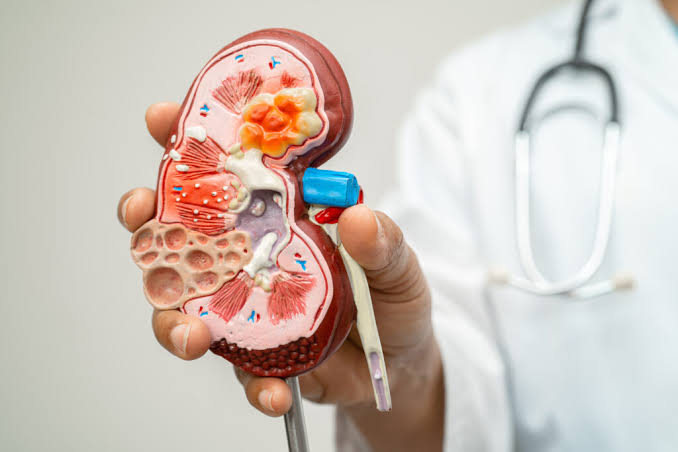
Chronic kidney disease (CKD) in children is rare, but it comes with an outsized burden: kids with CKD face elevated risks of cardiovascular disease and progression to kidney failure, often decades before they'd otherwise expect to face these problems. Blood pressure management is one of the few tools doctors have to slow that progression - but surprisingly, the field still lacks solid evidence on exactly how to use it. A new pragmatic clinical trial, PRESERVE 2.0, is setting out to close that gap.
Pediatric nephrologists have long managed blood pressure in children with CKD using strategies borrowed largely from adult medicine and smaller observational studies. That's left two fundamental questions unresolved:
1. How low should blood pressure go?
Aggressive blood pressure control could protect the kidneys and heart — but it could also cause harm, such as reduced blood flow to the kidneys or other side effects, if pushed too far.
2. Which first-line medication is better?
Two major classes of blood pressure medication are commonly used in this population: renin-angiotensin-aldosterone system inhibitors (RAASi) — drugs like ACE inhibitors and ARBs — and calcium channel blockers (CCBs). Both lower blood pressure effectively, but it isn't clear which drug class better protects long-term kidney and heart health.
PRESERVE 2.0 is a pragmatic, randomized controlled trial funded by the Patient-Centered Outcomes Research Institute (PCORI) with a budget of roughly $17 million. It's led by principal investigators Michelle Denburg, M.D., MSCE, and Christopher Forrest, M.D., Ph.D., based at Children's Hospital of Philadelphia (CHOP), in collaboration with PaTH Network sites at the University of Michigan, University of Pittsburgh, and Johns Hopkins University.
The study builds directly on the original PCORI-funded PRESERVE study, which established infrastructure and preliminary data on blood pressure management in pediatric CKD. PRESERVE 2.0 takes the next step: randomizing children to different blood pressure targets and different first-line medications, then tracking real-world kidney and cardiovascular outcomes.
For the scientific and medical community, PRESERVE 2.0 promises to deliver something the field has lacked: high-quality, randomized evidence on two everyday clinical decisions that pediatric nephrologists currently have to make with incomplete information. The results could reshape clinical guidelines for managing pediatric CKD.
For families and patients, the stakes are more personal. A child living with CKD may take blood pressure medication daily for years. Knowing whether a specific blood pressure target and a specific drug class actually lead to better long-term outcomes — rather than being a matter of a doctor's best guess — offers real reassurance and clearer expectations about treatment.
«—- Back To News